
The central idea is simple: consistent stress management can help the body function in more balanced conditions. Among the changes the researchers are looking at are cortisol, telomerase and the rate of telomere shortening.
The RadarHelpLive Frequency Generator provides a digital space for exploring sounds and enjoying moments of relaxation. This guide connects calm listening with scientific research on meditation and biological markers of stress.
A measurable finding: in a randomized trial involving 142 adults, a specific meditation practice was associated with less telomere shortening than in the control group. This finding contributes useful evidence to the discussion of daily relaxation and cellular aging [3].
What exactly are telomeres and telomerase?
Telomeres are repetitive DNA sequences and associated proteins at the ends of chromosomes. They act as protective caps, helping maintain the stability of genetic material as cells divide.
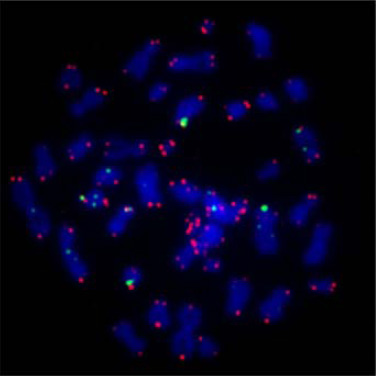
Telomeres often shorten during cell division. Telomerase is an enzyme that can add repetitive DNA to these ends. Telomere length is one of several biological markers studied in relation to aging.
How are meditation, cortisol and telomeres connected?
The body has a complex stress response system. Cortisol is a normal and necessary hormone; it helps with alertness and energy regulation, among other things. When stress becomes prolonged, the body's biological reactions can be affected.
Time to breathe, pay attention and calm down.
A favorable response is observed in many studies.
The possible relationship with shortening of chromosome ends is examined.
A meta-analysis of 58 studies involving 3,508 participants found, on average, favorable changes in cortisol measurements following stress-management interventions. Meditation and relaxation were among the approaches examined. [1]
In a separate longitudinal study of 411 people, researchers measured cortisol responses to stress and telomere length at baseline and again three years later. A stronger cortisol response was associated with faster telomere shortening. [2]
A simple example
Imagine two people with similar daily habits. If, in a hypothetical model, one person loses less telomere length each year than the other, then after many years they will have retained more of their original length.
This is a simple hypothetical example of slower telomere shortening. In real life, the size of any change can only be assessed through biological measurements, and it varies between people.
Human studies worth knowing about
Kindness meditation and telomere shortening
A randomized trial published in 2019 compared two meditation practices with a control group among 142 adults. Loving-kindness meditation was associated with less telomere shortening over approximately 12 weeks compared with the control group. [3]
The study received public funding from the US National Institutes of Health (NIH). Its finding concerns a specific meditation practice assessed over a defined period.
Music and meditation for 12 minutes a day
In 2018, an exploratory clinical trial compared daily listening to soothing instrumental music with Kirtan Kriya meditation. The participants devoted 12 minutes a day for 12 weeks. The researchers recorded changes in telomerase activity and simultaneously looked at telomere length [4].
For the everyday listener, this work is of particular interest: it examines a short practice that can be integrated into the routine, with biological measurements and a clear description of the method.
The overall picture from 25 studies
A 2023 systematic review and meta-analysis combined 25 studies with 2,099 participants on mindfulness practices, telomere length and telomerase activity. Some favorable findings were reported, but results varied across studies and were less certain in the more rigorous randomized trials. [5]
How do sound and 40 Hz fit into this discussion?
Sound can be a constant point of attention in meditation. Some prefer rain, sea or soft continuous tones; others listen to two slightly different frequencies with stereo headphones, creating the perception of a binaural beat.
For example, stereo headphones can play a 340 Hz tone in the left ear and a 380 Hz tone in the right. The 40 Hz difference may be perceived as a binaural beat. This is one listening option among many, depending on personal comfort and preference.
Research on 40 Hz binaural beats mainly explores attention, brain responses and subjective experience. These studies do not establish that listening to 40 Hz changes telomere length. You can choose gentle tones, music or nature sounds according to what feels comfortable. [6]

A simple 15 minute daily practice
Small acoustic relaxation routine
- 2 minutes — preparation. Sit comfortably and let your breathing acquire a natural rhythm.
- 10 minutes — listening. Choose a sound or soft ambient sound from the Generator and keep the volume at a comfortable level. Notice the breath without straining.
- 3 minutes — return. Take a moment without stimulation and notice how you feel before continuing with your day.
This 15-minute routine is a practical suggestion for everyday relaxation, not a scientifically established duration for changing telomeres. What you can observe directly is your comfort and personal sense of calm.

You choose the sound. Tranquility becomes a personal matter.
Birds, rain, sea, soft music or two tones with different frequencies: use RadarHelpLive's Frequency Generator to create your own listening moment. The tool is yours and so is the choice.
Explore the Frequency GeneratorPersonal exploration continues
Stillness offers space to turn to ourselves. If you are also interested in a different, symbolic approach to self-awareness, at RadarHelpLive you will find Matrix 22.

Matrix 22 — Soul Geometry
Matrix 22 offers a personal symbolic map of topics such as your potential, challenges and path. It is a special path of self-awareness that you can explore whenever you wish.
After your own moment of relaxation, you can continue with a different look at your personal story.
Meet Matrix 22 →What can we take away from this research?
Meditation and calm listening can be part of a personal relaxation routine. The studies examine distinct links: stress management and cortisol, cortisol responses and telomere shortening, and certain meditation practices and changes in telomere length.
In summary, some studies associate meditation with favorable changes in stress and selected cellular markers. Evidence about cortisol and telomeres comes from specific human studies; it does not show that listening to sounds alone changes telomere length. The RadarHelpLive Generator can help you build a listening routine that suits you.
Frequently asked questions
What is the difference between telomeres and telomerase?
Telomeres are protective ends of chromosomes. Telomerase is an enzyme that can add repetitive DNA to these ends. They are two different, but related, parts of cell biology.
Can meditation affect cortisol?
Yes. Meta-analyses show that meditation and relaxation practices can favorably affect cortisol measurements, with the effect varying by individual and program.
Has shorter telomere shortening been measured in people who meditate?
Yes, in specific human studies, including a randomized trial of 142 adults. The overall picture remains the subject of active research.
Do I really need 40 Hz binaural beats to relax?
Relaxation can be accompanied by many different sounds, even silence. 40 Hz is one of the acoustic options that have been studied; each person can choose the sound that is pleasant to them.
What exactly does the Frequency Generator offer?
The RadarHelpLive Frequency Generator lets you choose nature sounds (birds, rain and sea), gentle music, and separate tones for the left and right stereo channels. It includes two 20-minute presets, Gamma 40 Hz and Alpha 10 Hz, for personal sound exploration and a relaxation routine. The studies cited here concern specific meditation practices and biological measurements; they do not establish that using this Generator changes telomeres.
Scientific sources
Links lead to the original papers or their scientific abstracts so you can examine exactly what was measured.
- Rogerson et al. (2024). Effectiveness of stress management interventions to change cortisol levels: a systematic review and meta-analysis. Psychoneuroendocrinology. 58 studies, 3,508 participants. PubMed ↗
- Steptoe et al. (2017). The longitudinal relationship between cortisol responses to mental stress and leukocyte telomere attrition. 411 people, three-year follow-up. Full text ↗
- Le Nguyen et al. (2019). Loving-kindness meditation slows biological aging in novices: Evidence from a 12-week randomized controlled trial. Psychoneuroendocrinology. PubMed ↗
- Innes et al. (2018). Effects of Meditation and Music-Listening on Blood Biomarkers of Cellular Aging and Alzheimer's Disease. Journal of Alzheimer's Disease. Full text ↗
- Bossert et al. (2023). The Effects of Mindfulness-Based Interventions on Telomere Length and Telomerase Activity. Mindfulness. Meta-analysis ↗
- Leistiko et al (2023). Effects of gamma-frequency binaural beats on attention and anxiety. Controlled human study of 40 Hz binaural beats. Post ↗
Your opinion makes us better!
Was the article helpful? Your rating helps us improve RadarHelpLive's guides.