Matrix 22 — Soul Geometry
Discover Soul Geometry: your personal map, 22 archetypes, life journey and relationship insights in an inspiring exploration of self-discovery.
Explore the appOrganise a dancer portfolio around styles, training, stage work, full-body movement footage and accurate production credits.
Explore Dancers on Global Casting ↗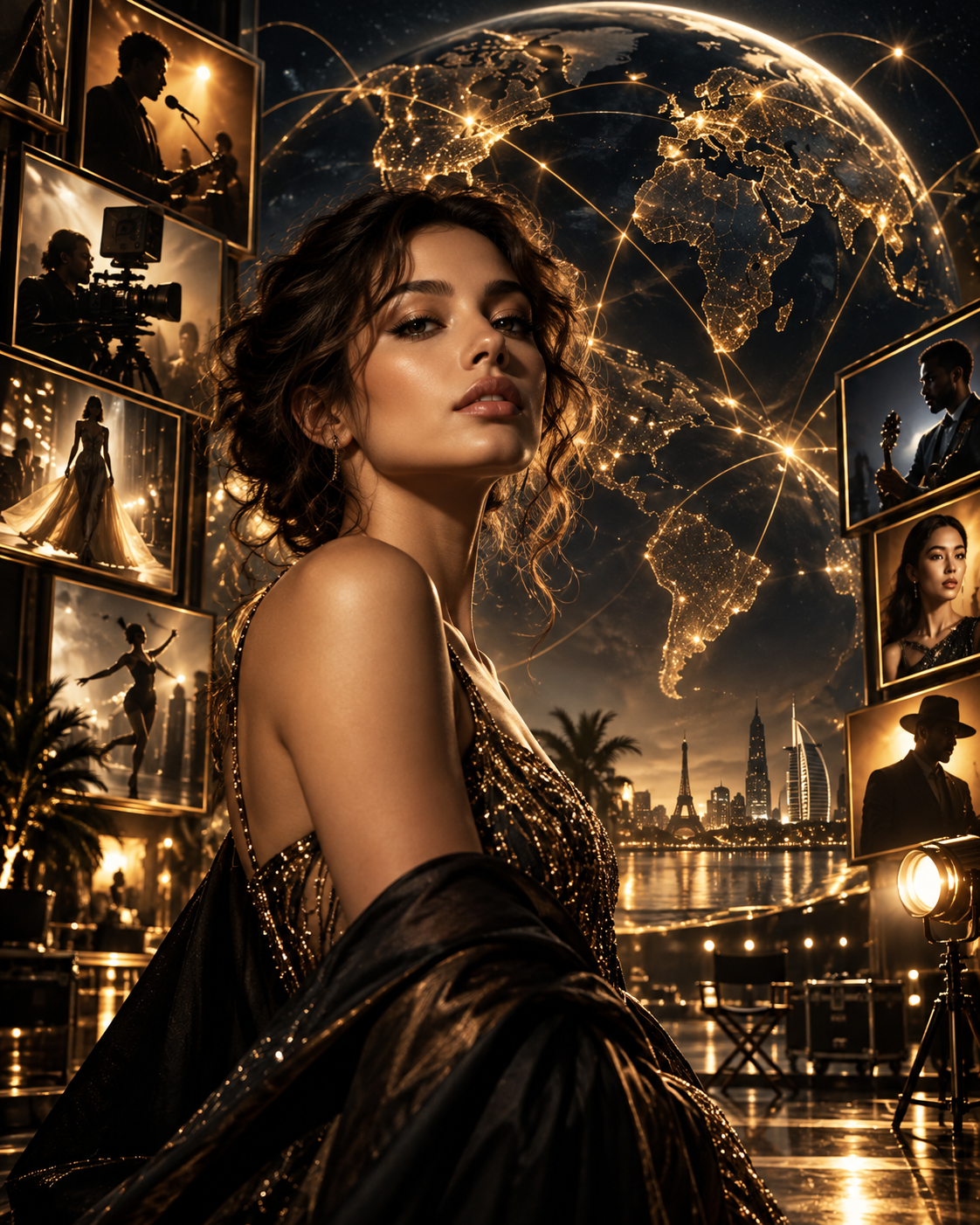
Stage and screen projects combine choreography, performance, music and direction. Discover related creative disciplines for your next collaboration.
A dancer portfolio needs to communicate more than a list of performances. Choreographers and production teams look for movement quality, technical background and the ability to work within a creative concept. Thoughtful images, concise credits and clear video excerpts can bring those qualities together in a profile that is easy to review.
Name the styles you actually practice, such as classical ballet, contemporary, jazz, street dance or traditional forms. Explain your experience with partner work, ensemble choreography or improvisation where relevant. A useful training summary connects disciplines to real performances instead of listing every workshop attended. Include the projects and productions in which you had a clearly defined performing role.
Choose video excerpts in which a viewer can follow footwork, body line, spatial direction and musical timing. A wide enough camera angle is particularly important for travelling steps and group formations. Combine one representative technical phrase with a contrasting expressive passage if both reflect your repertoire. Keep the performer identifiable, and label the piece when several dancers share the frame.
A portrait introduces facial presence, while a full-body image can communicate posture and stage character. Video gives the fuller picture of continuity, coordination and interpretation. Select photos that add useful information alongside the movement footage. For a theatre project, a rehearsal excerpt may show responsiveness to a director; for a touring ensemble, coordinated group timing may matter most.
For each selected performance, describe the production, your role and relevant choreographic or creative collaborators. Ask permission where footage or images belong to another producer or company. Indicate your base city and the kinds of performance opportunities you seek. As your repertoire develops, update the portfolio so the material reflects the dancer a team would meet today.
A contemporary dancer has performed in an ensemble stage production and a music video. For theatre work, the portfolio highlights a sustained phrase that reveals weight transfer, partnering and responsiveness to the group. For screen work, it shows a short camera-facing passage with precise timing. The dancer adds truthful credits for the choreographer and production and a concise summary of training. These examples show two distinct professional strengths without asking a producer to search through a full performance archive.
They answer different questions. Clear footage illustrates movement, while portraits and production stills help establish visual presence and experience.
Use clearly labelled short examples. Choose contrasts that represent your current skills rather than a long unstructured montage.
Explore dancers and the other creative categories of Global Casting to connect movement with music, acting and direction in future projects. Dancers.
Discover Soul Geometry: your personal map, 22 archetypes, life journey and relationship insights in an inspiring exploration of self-discovery.
Explore the app
Explore your personal numerology profile through your name, birth date and symbolic patterns, and find fresh inspiration for your journey.
Explore the appWas this article useful?
Tell us whether this guide was interesting and useful.
Thank you for helping us create better articles.