
MATRIX 22 GUIDE · CORE ENERGY
Core energy is the centre of a calculated structure
Within Matrix 22, core energy is the symbolic theme attached to the central number of the personal chart. This number belongs to a specific place rather than floating above the rest of the diagram. The application first calculates the values of day, month and year from a birth date, uses them to produce the lower position and only then forms the centre. Reading these steps in order gives the central value a traceable origin. A centre of twelve, for instance, is meaningful in the structure because it follows a particular sequence of additions.
Calling the centre the core does not mean that the remaining positions can be ignored. The day supplies one starting point, the month supplies another, and the reduced year adds a further contribution. Their combined lower value then participates in the final central sum. Someone can share a centre number with another person while having a completely different set of starting values. The more useful question is therefore not simply what a number is called, but how the whole chart arrives at that number and how its neighbouring positions relate to it.
Calculate the three initial values before reading the centre
Take a birth date of 9 April 1991. The day begins as nine, because it is within the range from one to twenty-two. The month is four. The year is handled by adding its four digits: one plus nine plus nine plus one equals twenty. These are the initial numbers nine, four and twenty. The code uses a reduction rule whenever a result exceeds twenty-two: add its digits and check again. The number twenty-two itself is retained. This distinction matters when reproducing the application's exact method.
A different date may require reduction even at the first stage. For 31 December 2000, day thirty-one becomes four because three plus one equals four. The month remains twelve and the year becomes two after adding two, zero, zero and zero. By keeping the day, month and year separate, you can see exactly which value enters each later operation. Adding every digit of the entire birth date in one step would use a different formula and would not explain the central position implemented by Matrix 22.
The lower position is indispensable to the core formula
The lower position combines the three starting numbers after their required reductions. With 9 April 1991, nine plus four plus twenty equals thirty-three. Thirty-three is above twenty-two, so it becomes three plus three, or six. This six is the lower position used by the next calculation. It is important to distinguish the temporary total thirty-three from the stored value six. Moving the unreduced total into the centre would change the program's method and could produce a misleading result.
Now compute the centre from day, month, year and the already reduced lower number. Nine plus four plus twenty plus six equals thirty-nine. The digits of thirty-nine add to twelve, so twelve is the centre. The compact sequence is day nine, month four, year twenty, lower position six and centre twelve. Each step can be checked by hand. A reliable explanation should show this chain before attaching a symbolic description to twelve, so that the reader knows what part comes from arithmetic and what part comes from interpretation.
What the central number twelve represents in the example
In the application's symbolic vocabulary, the value twelve is associated with the theme of a new perspective. You can use this theme as an invitation to examine a decision from more than one angle or to compare assumptions before acting. Imagine choosing between two ways to organise a project. The theme could encourage you to ask who benefits from each approach and what information may be missing. That is a concrete way to use an interpretive prompt without treating the number as a prediction of what will happen.
Notice that the symbolic label does not replace the calculation. The centre remains twelve because the earlier sum was thirty-nine, regardless of whether someone finds the descriptive theme personally useful. A second person who also receives twelve should still inspect their starting positions. They may have different day and year values, different corner connections and different questions they wish to explore. Reading the centre in relation to the full structure produces a more individual and understandable experience than repeating one universal sentence about twelve.
Compare another centre: 22 November 1988
Consider 22 November 1988. The day is twenty-two and remains twenty-two, because the reduction occurs only above that value. The month is eleven. The year digits one plus nine plus eight plus eight total twenty-six, reduced to eight. The lower position comes from twenty-two plus eleven plus eight, giving forty-one, which reduces to five. The centre uses twenty-two, eleven, eight and five; their total is forty-six, reduced to ten. The centre of this chart is therefore ten.
The example is useful because it differs from the first in several ways. The day is the highest value retained without reduction, the year needs its own reduction, and the lower number is five rather than six. The result ten may invite a different symbolic discussion, yet the mathematical procedure has remained exactly the same. When comparing two charts, first write down the five position values in a table. Only then examine the theme linked to each centre. This avoids confusing different calculations that happen to appear near one another on the screen.
A third centre and a different path through the numbers
For 31 December 2000, the starting day thirty-one becomes four, while month twelve and year two are retained. The lower position is four plus twelve plus two, giving eighteen without further reduction. The centre is four plus twelve plus two plus eighteen, giving thirty-six, which becomes nine. The five principal positions are therefore four, twelve, two, eighteen and nine. This case demonstrates that the centre can involve a lower value such as eighteen that needs no reduction, even though the final total does.
Across the three dates, the centre values are twelve, ten and nine. Nothing in the calculation requires the day to be the largest number or the centre to resemble the month. The program follows the same steps and reaches different results because the inputs and intermediate values differ. These examples also give you a practical verification method: calculate the starting values, then the lower position, then the centre. If a number differs from your screen, locate the earliest step that does not match before interpreting any of the associated themes.
How four corner connections give the centre context
Matrix 22 also creates four corner connections around the main structure. The upper left sums day and month; the upper right sums month and year; the lower right sums year and the lower position; the lower left sums the lower position and day. Each result is reduced if needed. For 9 April 1991, the corresponding values are thirteen, six, eight and fifteen. They use the same starting data as the centre, but each arises from a different pair of points.
This matters because the central twelve is only one calculated element. Suppose the lower right corner equals eight while the centre is twelve. The two numbers do not contradict each other: eight comes from twenty plus six, reduced from twenty-six, whereas twelve comes from the four-part central sum. A thoughtful reading preserves this distinction. It may use the centre as the guiding theme and the corner values as additional contexts, without assuming that every number in the same diagram should have the same meaning.
Personal and social values add two more viewpoints
The application calculates a personal value by adding the day and the lower position. It calculates a social value by adding the month and year. For 9 April 1991, the personal result is nine plus six, equal to fifteen. The social result is four plus twenty, equal to twenty-four, reduced to six. These calculations are separate from the centre and should be labelled correctly when explaining the diagram. The social six happens to match the lower six even though their formulas are different.
A repeated number is therefore not necessarily a repeated operation. Two distinct additions can lead to the same reduced answer. When comparing the centre with personal or social values, include both the names and their formulas. This gives a concrete way to discuss how the application organises different aspects of a chart. The symbolic meanings can be read afterwards, grounded in specific positions rather than being copied from one page or topic to another without reference to the actual calculation.
A useful way to explore the centre in everyday situations
Begin by identifying the central value and reading the short symbolic description attached to it. Then choose one practical question rather than attempting to apply every interpretation at once. If your centre is twelve and the theme is a new perspective, you might examine a conversation where two people understood the same situation differently. Write down each viewpoint and look for information that could explain the disagreement. The centre acts as a prompt for reflection while the number itself stays a verifiable result of the date.
You can repeat the process for decisions about work, collaboration or how to organise personal goals. Keep notes on which questions helped you think more clearly, and compare them with the roles assigned to the other positions. The purpose is to use the chart's structure coherently. A central theme becomes more informative when you can connect it to your own example, understand its computed origin and see how it differs from the day, the social value and the lines around the centre.
Read the related guide on talents
The talents section connects the day, centre and social value in a separate themed reading. Start with a verified centre, then explore that combination.
Questions about this topic
Where does core energy appear on the chart?
It appears as the centre value, calculated after the lower position from the date's three starting values.
Why is the centre twelve for 9 April 1991?
Day nine, month four, year twenty and lower position six total thirty-nine. Three plus nine gives twelve.
Does the same centre mean two identical charts?
No. Different starting values may produce the same centre while the day, month, year, lower position and connections differ.
How can I explore abilities around the centre?
Use the talents theme to compare the starting day, the calculated centre and the social value. Matrix 22 talents and natural strengths
Explore the core energy in your Matrix 22 chart
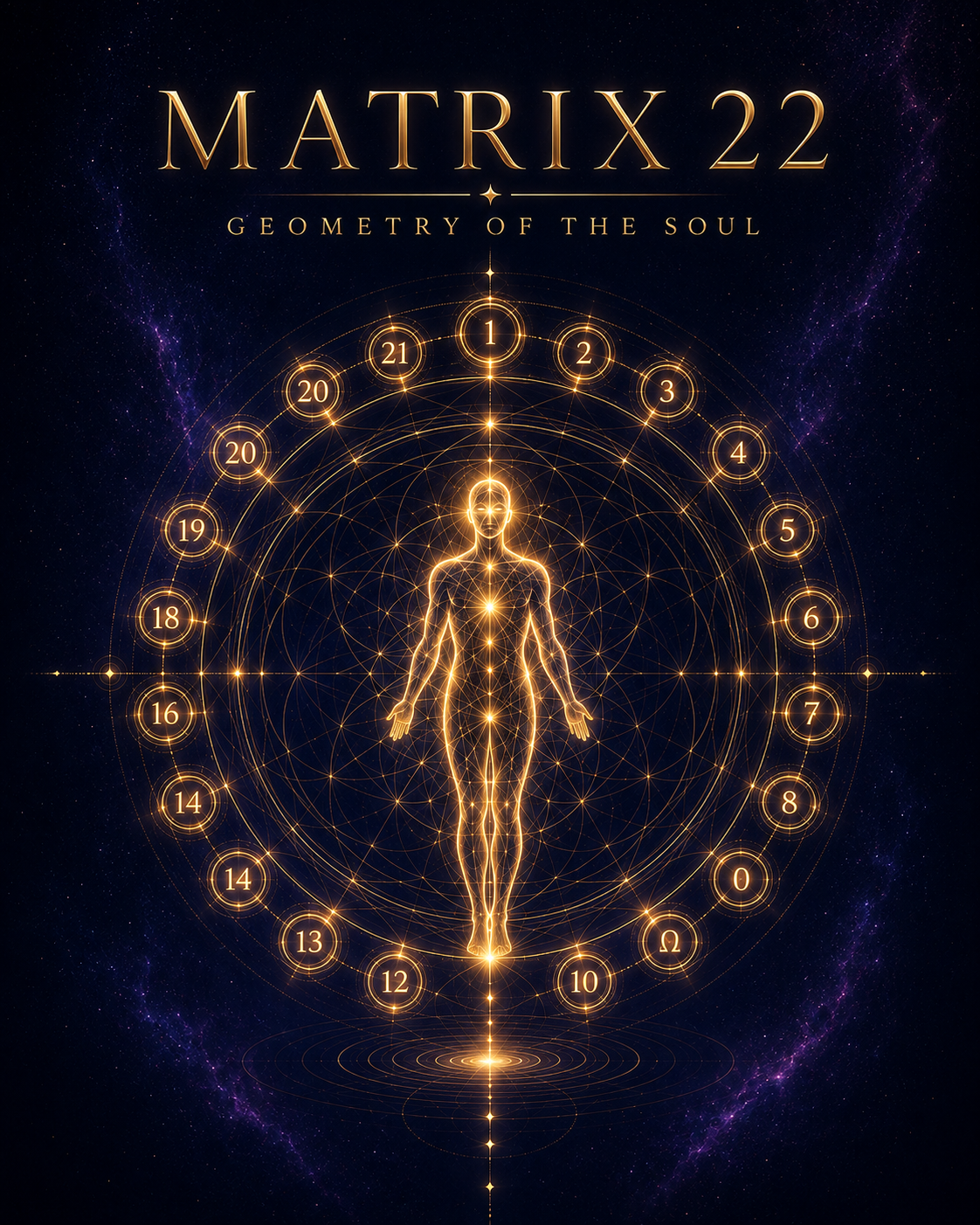
Explore the core energy in your Matrix 22 chart
Enter a birth date, locate the centre and compare it with the day, month, year and lower positions.
Open Matrix 22 →Was this guide useful?
Let us know whether the worked examples made the topic clearer.